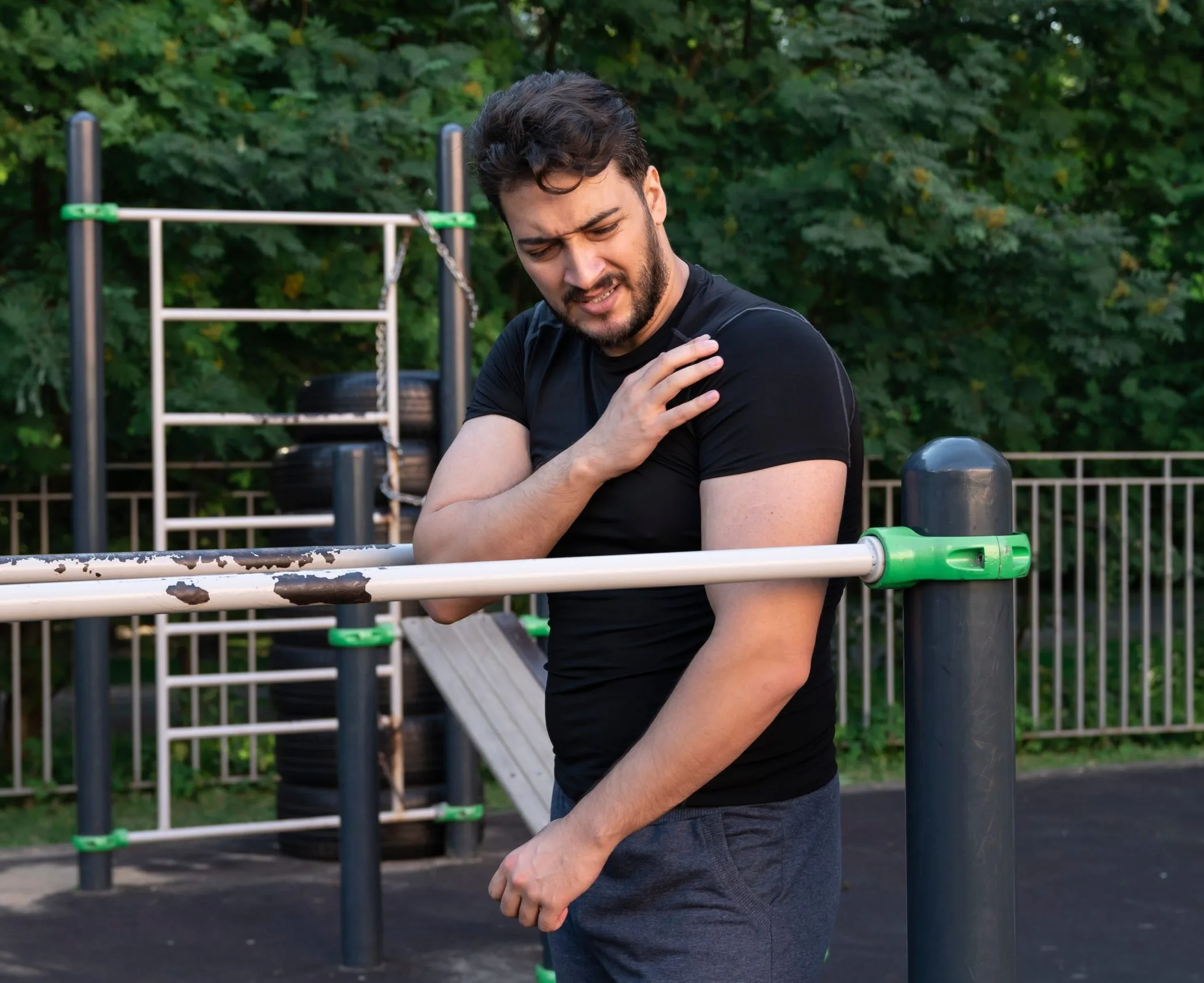
Many torn rotator cuffs can improve without surgery, especially partial tears and certain smaller full-thickness tears. While the torn tendon itself may not fully reattach on its own, a combination of rest, physical therapy, and targeted pain management can reduce pain, restore strength, and help you return to daily activities. The right path depends on the size and type of tear, your age, your activity level, and how your symptoms respond to conservative care.
At Nervexa, we specialize in providing alternatives to major invasive surgery. Our founder, Dr. Josh Hustedt, a Stanford-trained and double board-certified orthopedic surgeon, developed a revolutionary approach that prioritizes minimally invasive techniques for permanent relief. While some rotator cuff injuries do require traditional surgical repair, many patients find lasting solutions without it.
Your rotator cuff is a group of four muscles and their tendons that surround the shoulder joint. Together, they keep the head of your upper arm bone (humerus) snug in the shoulder socket and let you lift and rotate your arm. A rotator cuff tear happens when one or more of these tendons is damaged or pulls away from the bone.
Tears fall into two main groups:
Partial-thickness tear: Damages part of the tendon but does not fully separate it.
Full-thickness tear: Goes all the way through, sometimes leaving a small hole and sometimes pulling the tendon completely off the bone.
Tears can come from a sudden injury, like a fall, or from years of wear and tear, which is common in people over 55. Common signs include a dull ache deep in the shoulder, pain when sleeping on the affected side, difficulty with overhead activities like combing your hair, and arm weakness.
A torn tendon usually does not “grow back” and reattach without help. Tendons have limited blood flow, which makes true healing of the tear itself difficult. However, the pain and weakness from a rotator cuff tear can often be managed and improved without surgery.
For many people – especially those with partial or degenerative tears – the goal of non-surgical treatment is not perfect anatomical healing, but to:
Reduce pain and inflammation.
Strengthen the surrounding muscles to support the shoulder and compensate for the injured tendon.
Restore range of motion and function.
So while the tear may not “close,” you can still get real, lasting relief and often return to daily activities, including sports.
A comprehensive treatment plan typically combines several components.
This is the cornerstone of non-surgical rotator cuff care. A physical therapist guides you through targeted exercises designed to:
Improve flexibility: Gently stretching the shoulder capsule to restore range of motion.
Strengthen muscles: Focusing on supporting muscles, including the deltoid and scapular muscles, so healthy muscles take on more of the work.
Correct posture: Improving shoulder mechanics to reduce stress on the rotator cuff.
Consistency matters more than intensity. Gentle, regular exercise over several weeks tends to produce better results than short bursts of hard effort.
Changing how you use your arm gives the shoulder a chance to calm down. This may mean avoiding heavy lifting or overhead reaching, adjusting how you sleep, or taking breaks from repetitive motions. Activity modification does not mean total rest – staying completely still can actually stiffen the shoulder. The aim is smart, temporary changes that reduce stress on the tendon.
Over-the-counter nonsteroidal anti-inflammatory drugs (NSAIDs) like ibuprofen or naproxen can reduce pain and swelling, helping many people get through the early, painful phase. Always follow dosing guidance and check with your provider before starting any medication regularly.
In the initial phase after an injury, a sling may be recommended for a short period to protect the shoulder. Use it sparingly, since keeping the arm still too long can lead to stiffness or a “frozen shoulder” (adhesive capsulitis). Think of it as a tool for tough days, not an all-day habit.
For some patients, cortisone injections may be recommended to decrease inflammation, and heat or ice at home can help manage soreness. These are usually combined with physical therapy rather than used alone. Many of our patients come to us after finding that cortisone shots become less effective over time – often a sign that a more advanced approach is needed to address the root cause of chronic pain.
For patients who have tried physical therapy, medication, and injections without lasting results but want to avoid major reconstructive surgery, our team offers a revolutionary alternative. Dr. Josh Hustedt – a double board-certified orthopedic surgeon with subspecialty training in hand and peripheral nerve surgery – developed the trademarked Nervexa™ Approach, a permanent, minimally invasive, multi-stage process for chronic joint pain. It’s a powerful solution for the chronic pain that often accompanies degenerative rotator cuff disease and associated arthritis.
This approach includes:
Musculoskeletal embolization (MSE): Chronic injuries create a cycle of inflammation as the body sends excess blood flow to the area. MSE injects microparticles into the tiny arteries feeding the inflammation, breaking this “vicious cycle” of pain and swelling.
Nerve transfer: A specialized technique developed by Dr. Josh Hustedt that reroutes the small sensory nerves carrying pain signals into a nearby muscle, so the brain stops registering pain from that area.
Peripheral nerve stimulation: An FDA-cleared device generates a gentle electromagnetic field that interrupts pain signals, giving you direct control over your comfort via a smartphone.
Review whether you’re a fit on the Am I a Candidate? page, and read real patient testimonials to see how others found relief.
Patience is key – recovery is gradual and requires commitment to your therapy program. While every patient is different, you can generally expect:
Initial weeks: Focus on rest, pain control, and gentle range-of-motion exercises.
6–8 weeks: As pain subsides, you begin more intensive strengthening exercises.
3–6 months: Many patients see significant improvement in pain and function.
Up to 1 year: Some individuals need this long to achieve maximum recovery.
Most people who improve with non-surgical care start feeling better within six to twelve weeks, with pain easing first and strength gains following. If your symptoms are not improving after a few months of consistent effort, it may be time to explore other options.
Non-surgical treatment isn’t right for everyone. Surgery may be recommended when:
Full-thickness tears: The tendon is completely torn away from the bone.
Significant weakness: The injury causes major loss of arm function or strength.
Acute traumatic injury: A tear from a sudden event, like a fall, especially in a younger, active person.
Failed conservative treatment: Pain and weakness continue despite months of dedicated non-surgical care.
Traditional shoulder procedures do carry a recovery period, which is one reason many patients look for alternatives.
So, can a torn rotator cuff heal without surgery? For many people, the answer is yes – not always by fully re-attaching the tendon, but by reducing pain and restoring function through physical therapy, activity changes, and smart pain management. Partial and smaller tears respond especially well, and most patients see meaningful improvement within 6-12 weeks.
If conservative care isn’t enough, you still have options beyond traditional surgery. The Nervexa™ Approach offers a minimally invasive path to lasting relief for chronic shoulder pain.

About the Author
Dr. Joshua Hustedt

July 21, 2026