Musculoskeletal
Embolization

Targeted Inflammation Control For Chronic Joint Pain


What It Is And How It Works

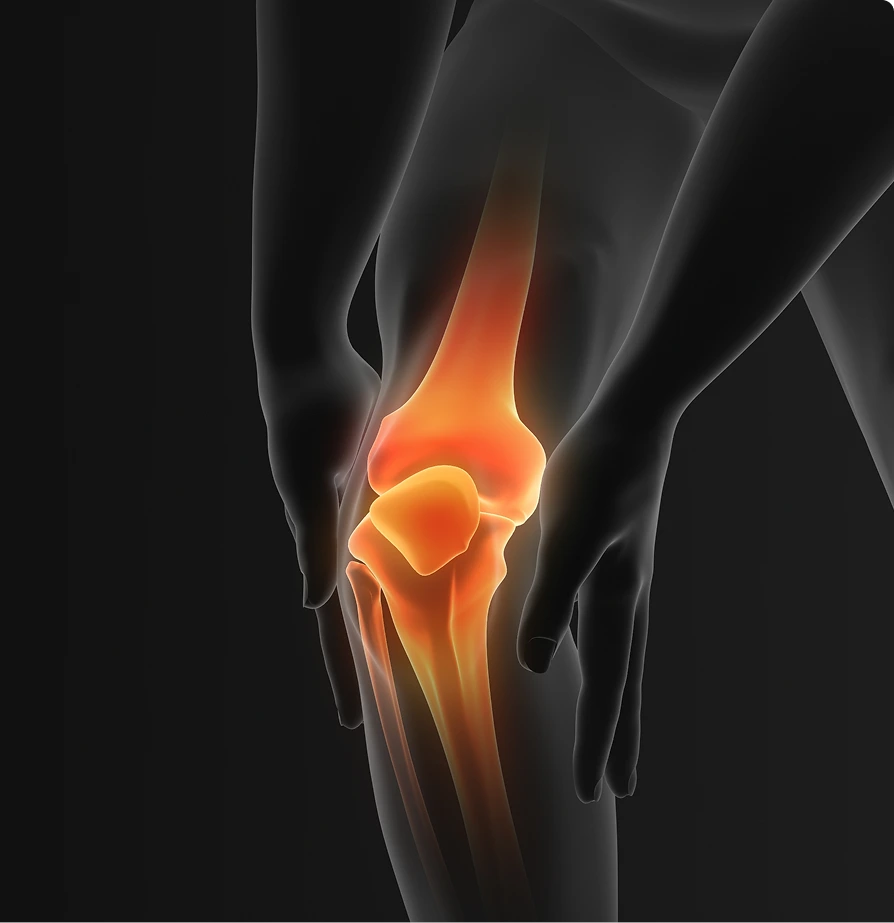
Musculoskeletal embolization is a minimally invasive procedure that reduces the excess blood flow feeding chronic inflammation inside the joint. A specialist uses advanced imaging to guide a tiny catheter to the vessels surrounding the painful joint, then gently reduces the abnormal circulation that keeps inflammation active.

Performed through a
pin‑sized entry point

No hospital stay required

Recovery measured in days

How Inflammation
Fuels The Pain Cycle

When a joint receives too much blood flow, the surrounding tissues become irritated and the nerves inside the joint stay activated. This constant signaling trains the brain to expect pain, making discomfort feel stronger over time. Musculoskeletal embolization reduces this excess circulation, helping the joint settle and the nerves quiet down

Benefits Of Musculoskeletal Embolization

Musculoskeletal embolization offers meaningful relief by calming the inflammatory cycle that keeps the joint irritated. It helps patients move more comfortably while preserving the natural structure of the joint.

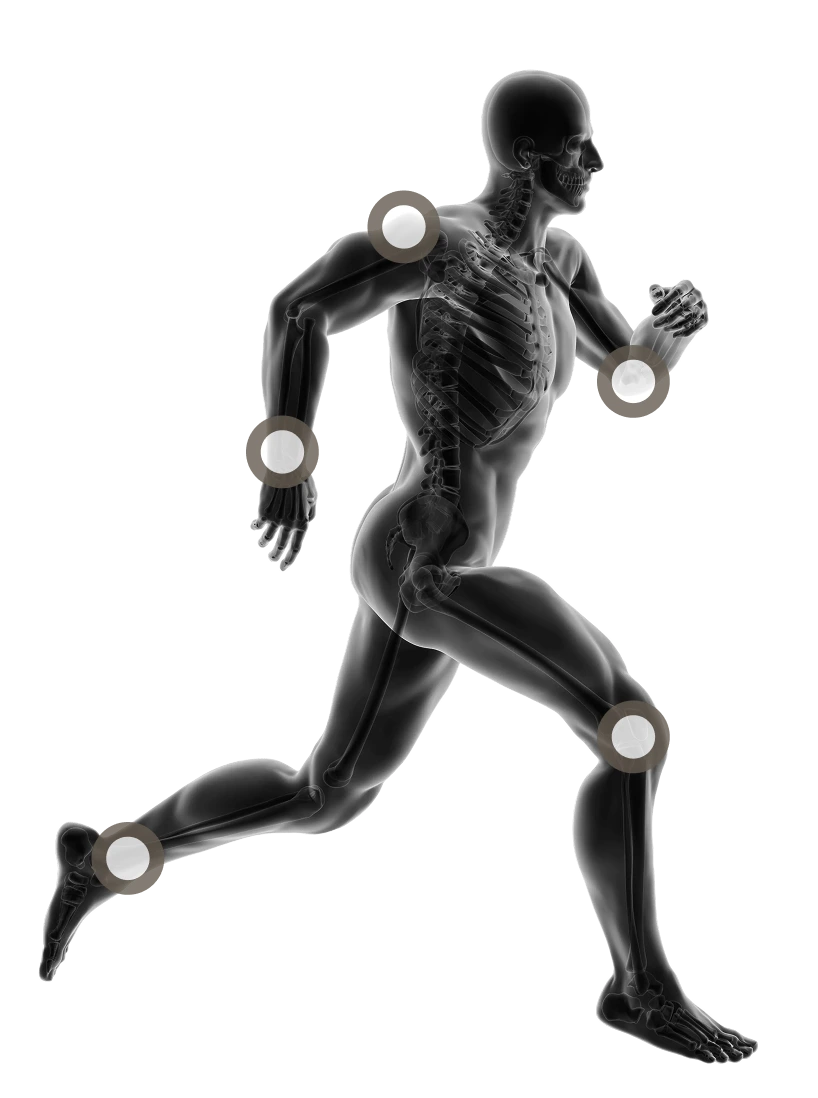
Areas Commonly Treated With This Procedure

Musculoskeletal embolization is used in joints where excess blood flow and inflammation play a major role in chronic pain.

Benefits Of
Musculoskeletal Embolization

Musculoskeletal embolization offers meaningful relief by calming the inflammatory cycle that keeps the joint irritated. It helps patients move more comfortably while preserving the natural structure of the joint.

Why It Matters In The Nervexa Approach

Musculoskeletal embolization is the first step in the Nervexa system because it creates a calmer, more stable joint environment. By reducing inflammation early, the joint becomes less reactive, nerve irritation decreases, and the next stages of the approach become more effective. This foundation supports long‑term comfort without major surgery.

Freedom From

Joint Pain Starts Here

Permanent Joint Pain Relief: Minimally Invasive
Surgical Procedure, Faster Healing